So, Bryan, Why Historical Fiction?
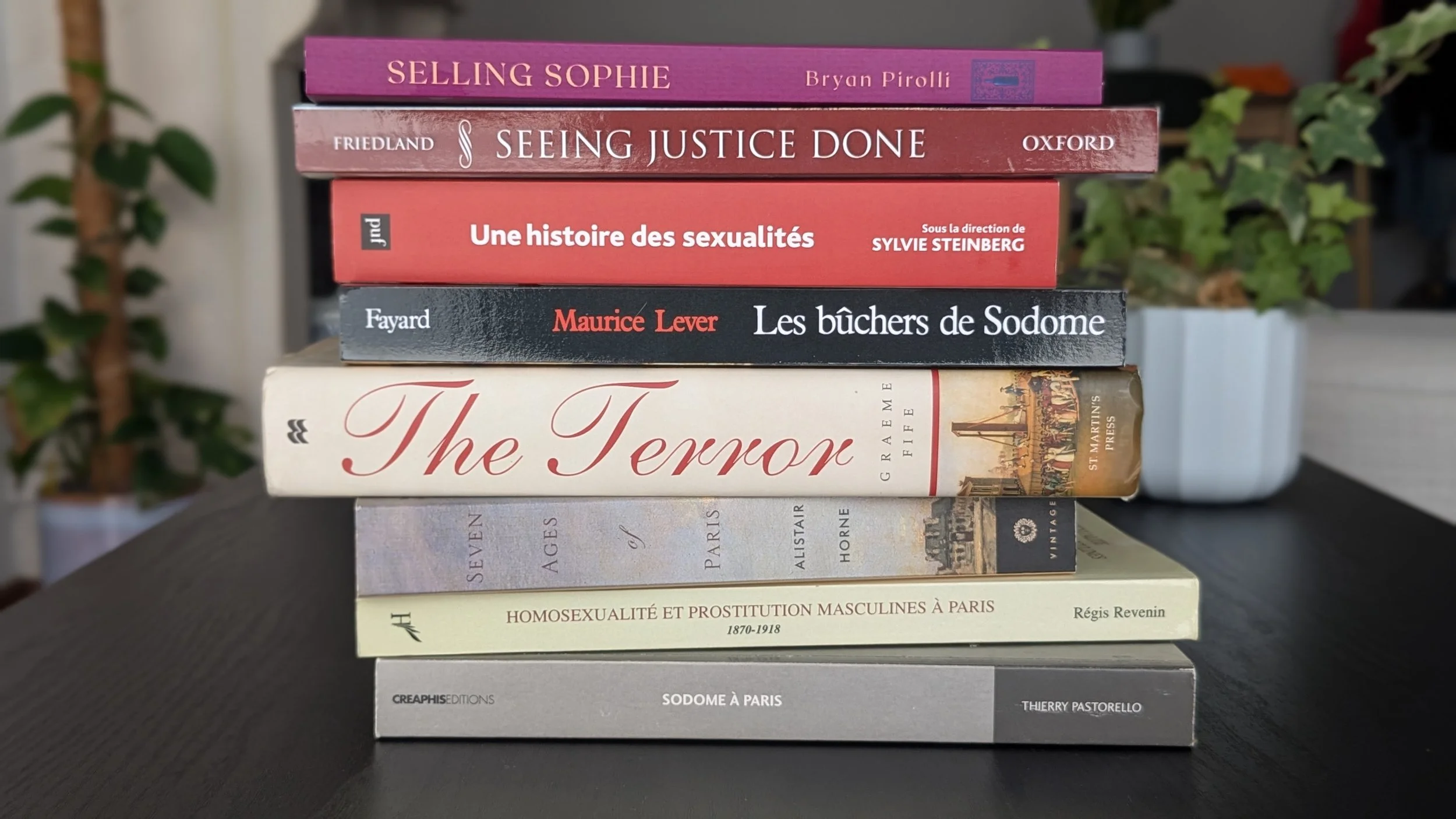
I categorize my new novel, Selling Sophie, as part historical fiction. Half of it is set in the 18th century, and I researched heavily to make sure I got the details of the French Revolution right.
But WHY? I could just chalk it up to being a nerd, but actually, there’s a reason I needed to do it justice.
First, you have to know I lived a life as a journalist and also as a PhD researcher, so facts matter. It was paramount for me that no one read my novel and think, “Ha. No way that happened.” I took liberties, sure, but I wanted other history geeks to read this and not be ejected from the story by some anachronism or hopelessly incorrect detail.
But it’s deeper than my obsessive tendencies, I spent years living in Paris, making ends meet by giving tours. Telling stories about Paris was, literally, my bread and butter (The best bread. The best butter).
I spent countless hours absorbing information from books, articles, documentaries, and museum exhibits to find the juiciest bits I could about Paris and its inhabitants.
Curiosity sparked my interest, and necessity fueled me to the end. A tour client once asked for a detailed breakdown of the kings’ mistresses at Versailles. It was the first time I got caught with my pants down not knowing the answers. After that fateful tour, I committed myself to learning the stories, telling them accurately, and doing justice to the people and places I was touring with visitors.
And a large portion of that commitment to telling accurate stories is because so many stories don’t get told. I built a tour company in Paris dedicated to LGBTQ+ history and culture, and realized very quickly how few resources and media representations there were for our community.
Today, I’m working on other novels that relate specifically to LGBTQ+ history, to give voices to individuals heard only in the margins. I think it’s vital to preserve and amplify these stories, as well.
Selling Sophie was an exercise in borrowing from history to tell a story and entertain readers. But it’s an exercise that helped train muscles that I hope to use again soon to tell even more important stories that commemorate the people who haven’t yet had their stories told.
Will all of my novels be labeled historical fiction? I highly doubt it. I don’t want to be cornered in to any one genre. But it’s hard to avoid dabbling in a topic that I love so much. And hopefully I convey that passion through my characters, however fictitious they may be.
Do you get frustrated when your historical novels suddenly make you feel like you’ve stepped out of the timeline and into another era?